



Henan Zhongtai Boiler Co., Ltd.
telephone:+8619526368591
E-mail:zhongtaiboiler@163.com
Address:National Highway 311,Taikang County, Zhoukou, Henan, China
Let you quickly understand the working principle and application of steam generator
Time:2025-03-17 16:11:16 Read:86 Source:本站
A steam generator is a device that converts water into steam and is widely used in civil, industrial, medical and other fields. Its core working principle is to heat water to boiling and vaporization through an external heat source (such as fuel combustion, electricity, coal or firewood, etc.), and finally generate steam.
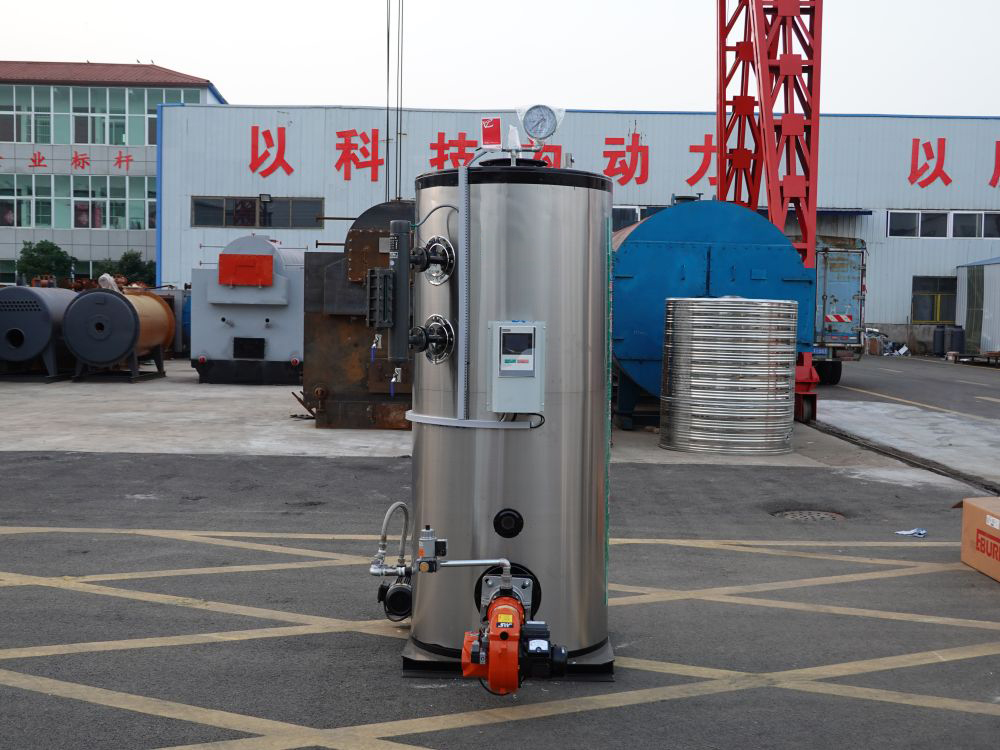
1. Basic composition
A steam generator usually consists of the following key parts:
Water supply system : Provide treated water (such as softened water) to prevent scaling and corrosion.
Heating system : Heat source (electric heating element, burner, nuclear reactor, etc.) provides thermal energy.
Heat Exchange Area : The critical area (such as a furnace, pipe, or coil) where water is heated and converted to steam.
Control system : monitors parameters such as pressure, temperature, water level, etc. to ensure safe operation.
Safety devices : safety valve, pressure switch, water level alarm, etc.
2. Workflow
Step 1: Water Supply
Water is pumped into the steam generator and usually needs to be pre-treated (such as filtered, softened) to reduce impurities and minerals.
Step 2: Heating and Vaporization
Heat transfer : A heat source (such as an electric heating element, a gas combustion flame, or heat from a nuclear reactor) transfers heat to water.
Direct heating : The flame of the burning fuel is in direct contact with the vessel (such as a fire tube boiler).
Indirect heating : Heat is transferred through a heat exchanger (such as electric heating tubes, steam coils).
Phase change process : After water absorbs heat, its temperature rises to the boiling point (saturation temperature), and it begins to vaporize to form a soda-water mixture.
Step 3: Steam Separation
The steam-water mixture enters a steam-water separator (such as a centrifugal separator or baffle), which uses density differences to separate the water and output dry saturated steam.
Some equipment may further increase the steam temperature through a superheater to produce superheated steam (higher energy, drier).
Step 4: Steam Output and Control
The steam is transported through pipelines to the user (such as turbines, heating systems).
The control system regulates fuel/electricity input, water level and pressure in real time to ensure stable operation.
3. Heat source type
Electric heating : heating by resistance wire or electrode, suitable for small equipment (such as laboratories, medical sterilization).
Gas/Oil : Burning natural gas, diesel and other fuels, commonly found in industrial boilers.
Coal : This method is not recommended in China at present.
Biomass : Biomass pellets made from wood waste, etc.
4. Key parameters
Pressure : High-pressure steam (such as power plant boilers that can reach supercritical pressure) has higher energy, but requires stronger equipment pressure resistance.
Temperature : Related to pressure, the temperature of saturated steam is determined by pressure, and the temperature of superheated steam is higher.
5. Security protection mechanism
Pressure safety valve : automatically releases steam in case of overpressure.
Water level sensor : prevents "dry boiling" (lack of water causing damage to the equipment) or full water (affecting steam quality).
Temperature control : Avoid overheating and damage to the equipment.
6. Application Scenarios
Industry : chemical reaction, food processing, textile printing and dyeing.
Medical : High temperature sterilization (such as autoclave).
Building Heating : Heat is provided by circulating steam or hot water.
7. Difference from boiler
Steam generators are usually more compact and start faster, while traditional boilers have large water storage and higher gas production, but are larger in size and consume more energy. Modern steam generators focus more on efficiency and modular design.
Through the above process, the steam generator efficiently converts water into steam, providing power or heat energy for various industries. It is an indispensable thermal equipment in modern industry.